Planning
How to Plan Your Wedding Photography: A Practical Guide for Guntur Couples
Good wedding photographs are planned long before the day. Here is how to book, brief and schedule your photography so nothing important is missed.
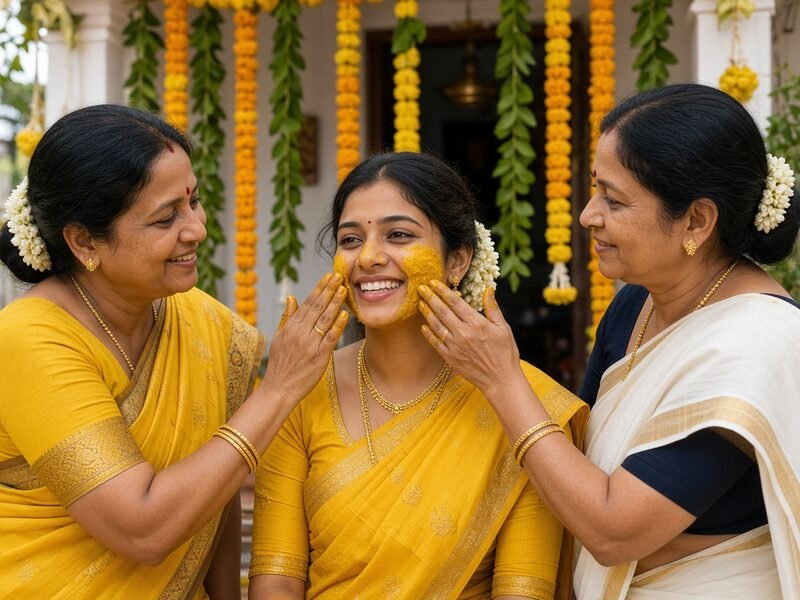
Wedding photographs are one of the few things from your wedding that grow more valuable every year. The food is eaten, the décor is taken down, the silk goes into the cupboard — but the photographs of your grandparents at the mandap, or your father’s face during the Kanyadaanam, become family history.
Good wedding photography rarely happens by accident. It is planned: the right people booked early, a clear brief, a realistic timeline and a family that knows what to expect. This guide walks through that planning in the order most Guntur families actually face it.
1. Fix the date, then book early
For most Telugu weddings the date follows the muhurtham fixed by the family priest. Because auspicious dates are shared across the whole region, many weddings fall on the same handful of days — and photographers, venues, decorators and caterers all get booked at once. Months that are traditionally avoided for weddings, such as Ashadam, only increase the demand on the dates either side.
So the moment your muhurtham is confirmed, start contacting photographers. Share three things in your first message:
- The date and approximate muhurtham time — early-morning and late-night muhurthams change how a team is planned.
- The venue or town for each event.
- The events you’re planning — Pellikuturu, wedding, reception, and anything else.
A reliable studio will confirm availability first, before trying to sell you anything. If you’re close to the date, still ask; cancellations and quieter days do happen.
2. Decide what you actually need
“Wedding photography” covers several quite different services. Before comparing quotes, it helps to know which of these matter to your family:
| Service | What it gives you | Worth it if… |
|---|---|---|
| Traditional photography | A complete, orderly record of every ritual and every relative, including stage photographs | Your elders expect every family group to be photographed (almost every Telugu wedding) |
| Candid photography | Natural, unposed moments and emotion | You want pictures that feel like memories rather than poses |
| Wedding film | A teaser, highlight film or full ceremony edit with sound | You want to hear the mantras, the music and the speeches again |
| Pre-wedding shoot | Relaxed couple portraits at a location of your choice | You want time together on camera without the pressure of the wedding day |
| Album | A designed, printed book of the day | You want something physical to pass down |
Most families end up combining traditional and candid photography with some form of film. If you’re unsure about the first two, our guide to candid vs traditional photography explains the difference in detail.
3. How to compare photographers fairly
Instagram highlights show a photographer at their very best. A wedding day asks for consistency across twelve hours, in bad light, with crowds. When you meet studios, look past the highlights:
- Ask to see complete galleries of one or two weddings similar to yours — same kind of venue, similar size. This shows how they handle every part of the day, not just the easy portraits.
- Ask who will actually photograph your wedding. Is it the person you’re speaking to, or a team you haven’t met?
- Look at the low-light work. Night receptions, early muhurthams and dim halls are where skill shows.
- Check skin tones and silk colours. Do people look like themselves? Does a red pattu saree still look red?
- Get everything in writing — events and hours covered, team size, what you’ll receive, delivery format and timelines, album details, travel costs and payment schedule.
Price matters, of course. But comparing quotes only works when they include the same things, so line them up item by item before deciding.
4. Build the timeline around your muhurtham
Everything on a Telugu wedding day is anchored to the muhurtham. Work backwards from it, and share the result with your photographer, decorator and family coordinators. Here is an example for a morning muhurtham at a single venue — your own timings will differ:
| Time | What’s happening | Photography focus |
|---|---|---|
| Muhurtham − 3 hrs | Bride and groom getting ready | Details, jewellery, family helping, quiet portraits |
| Muhurtham − 2 hrs | Groom’s pre-wedding rituals, arrival | Snathakam, Kashi Yatra, Edurukolu (welcoming the groom’s party) |
| Muhurtham − 1 hr | Gauri Puja, bride brought to the mandap | Bride’s prayer, the basket entry where it’s a family custom |
| Muhurtham | Jeelakarra Bellam | Clear view of both faces as the screen is lowered |
| Muhurtham + 15–90 min | Mangalya Dharanam, Talambralu, Saptapadi, Arundhati darshanam | Each ritual from the right angle; family reactions |
| Afterwards | Blessings, family groups, lunch | Organised group photographs from your list |
| Before the reception | A short break | Fifteen minutes of couple portraits in good light |
Our Telugu wedding photography timeline covers each ritual in much more detail.
5. Prepare a family group list
The most common regret after a wedding is a missing photograph with a particular relative. It almost always happens because nobody could find them at the right moment. Two simple steps prevent it:
- Write the list. Sit with both sets of parents and list the family groups that must be photographed — grandparents, each set of uncles and aunts, cousins, close family friends. Put them in a sensible order, closest family first.
- Choose a coordinator from each side — a cousin or uncle who knows everyone and isn’t shy. Their job is to bring each group to the stage while the photographer works.
With a list and two coordinators, group photographs take a fraction of the time and nobody important is missed.
6. Think about venues and light
When you visit function halls, temples or hotels, look at them the way a photographer will:
- Light. Are there windows near the getting-ready rooms? How is the stage lit? Very coloured LED lighting can make skin tones look strange.
- Space around the mandap. Photo and video teams need room to move without blocking your guests.
- Power backup. Ask how quickly the generator starts if the power fails during the muhurtham.
- Rules. Temples in particular may restrict photography, lights or tripods in some areas. Find out early so there are no surprises.
- A quiet corner outside for a few minutes of portraits away from the crowd.
7. Set aside the details
The small things disappear quickly on a busy morning. Ask a family member to keep these together in one place for the photographer, before you start getting ready:
- The wedding invitation card
- Jewellery, including the mangalsutra and toe rings
- Talambralu plates, the jeelakarra bellam paste and other ritual items
- Jasmine and flowers for the hair
- Any heirloom — a grandmother’s saree, a family pendant
8. After the wedding: selection, albums and backups
Once the edited photographs arrive, a few habits protect them for decades:
- Back up immediately. Keep at least two copies of your digital files in different places — for example a hard drive at home and a cloud account.
- Choose album photographs as a family, in rounds. A first pass for favourites, a second to remove repeats, a third to balance both families. It avoids long arguments over single frames.
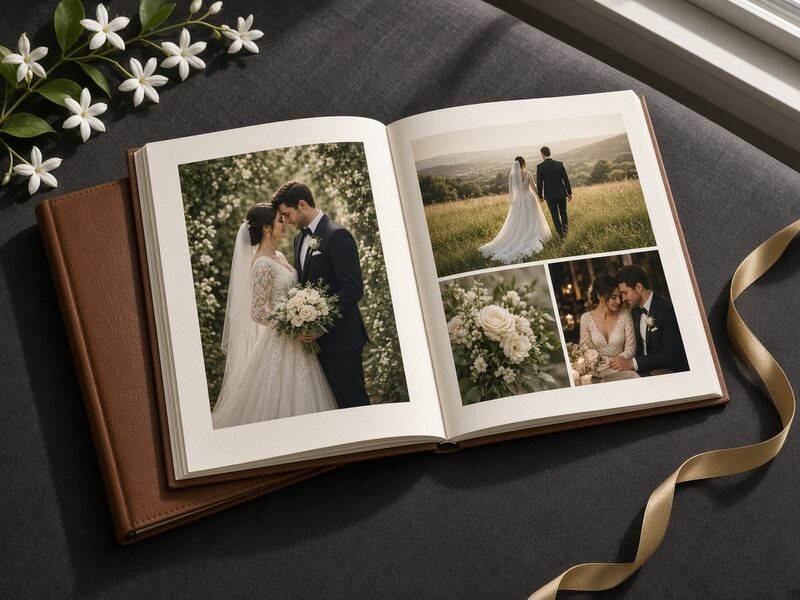
- Review the album design properly before approving it — names, family groups, and the order of events. See how our album process works.
9. A one-page checklist
- ☐ Muhurtham date and time confirmed
- ☐ Photographer availability confirmed for every event
- ☐ Coverage chosen: traditional / candid / film / album
- ☐ Complete galleries seen; quote received in writing
- ☐ Timeline shared with photographer, decorator and priest
- ☐ Family group list written; coordinators chosen
- ☐ Venue light, space, power and rules checked
- ☐ Details set aside on the morning
- ☐ Files backed up in two places after delivery
Planning photography this way takes a few hours spread over several weeks — and it is the difference between a wedding that was photographed and a wedding that was properly remembered.