Telugu weddings
A Telugu Wedding Photography Timeline: What to Capture, Ritual by Ritual
A Telugu wedding is a sequence of rituals across one to three days. This timeline shows what to photograph at each stage and how to plan your team around it.
A Telugu wedding is not a single event but a sequence of rituals, each with its own meaning, mood and light. Some happen at home with a handful of relatives; others in front of hundreds of guests at the mandap. Some last half an hour; the most important last only seconds.
This guide goes through the rituals in the order they usually happen, what’s worth photographing at each, and how to plan your photographer’s time. One important note first: customs vary between families, communities and regions of Andhra Pradesh and Telangana. Treat this as a starting point and talk through your own family’s rituals with your priest and photographer.
How a Telugu wedding is structured
Broadly, the rituals fall into four stages:
- Before the wedding day — Pellikuturu and Pellikoduku, usually at home.
- The wedding morning — the groom’s Snathakam and Kashi Yatra; the bride’s Gauri Puja.
- The muhurtham — Kanyadaanam, Jeelakarra Bellam, Mangalya Dharanam, Talambralu, Brahmamudi, Saptapadi and Arundhati darshanam.
- Afterwards — Appagintalu, and the reception, which may be the same evening or another day.
Before the wedding day
Pellikuturu and Pellikoduku (పెళ్ళికూతురు / పెళ్ళికొడుకు)
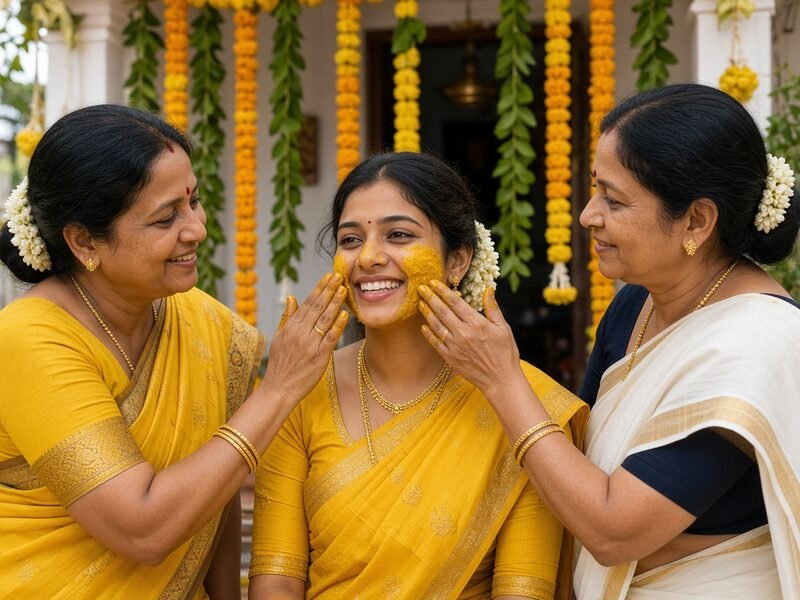
What happens: The bride and groom — separately, at their own homes — are formally made “bride” and “groom”. Married women of the family apply turmeric and oil, followed by the mangala snanam, a ceremonial bath, and new clothes.
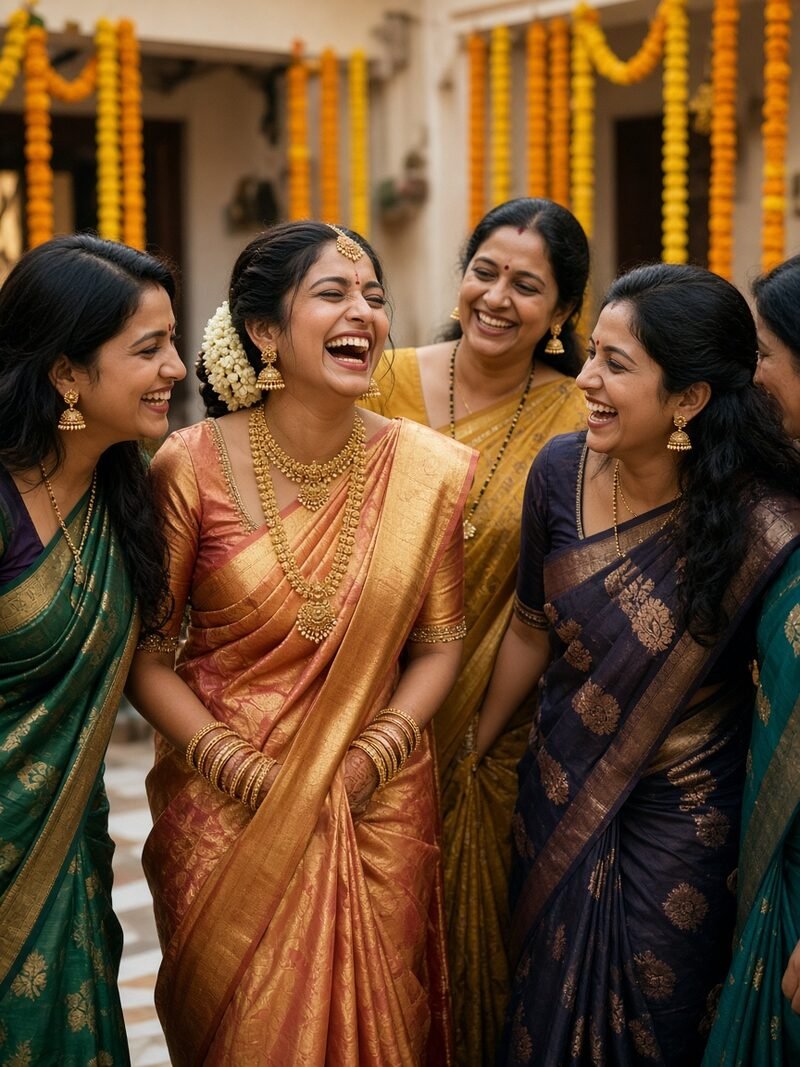
What to photograph: This is often the most relaxed and intimate part of the whole wedding. Turmeric on cheeks, aunts laughing, the bride’s grandmother blessing her, the groom being teased by his cousins. Homes often have lovely natural window light.
Planning tip: If both ceremonies happen at the same time in different places, decide whether you need two photographers or whether the timings can be staggered.
The wedding morning
Snathakam (స్నాతకం)
What happens: The groom’s ritual marking his move from student life to married life, traditionally including the sacred thread ceremony in families that follow it.
What to photograph: The groom with his father and the priest; close-ups of the thread and ritual items; the family around him.
Kashi Yatra (కాశీ యాత్ర)
What happens: One of the most playful rituals. Dressed as a pilgrim with an umbrella, walking stick and slippers, the groom announces he is leaving for Kashi to live as an ascetic — until the bride’s brother stops him and persuades him to marry his sister instead.
What to photograph: Pure theatre: the groom’s mock seriousness, the brother’s persuasion, everyone laughing. Wide shots for the crowd, tight shots for the expressions.
Gauri Puja (గౌరీ పూజ)
What happens: The bride prays to Goddess Gauri for a happy married life, often while the groom’s side are arriving and completing their own rituals.
What to photograph: A quiet, devotional moment. It deserves a respectful distance and a longer lens — and it often produces some of the most beautiful portraits of the bride all day.
The bride’s entry
In many families the bride is carried to the mandap in a decorated bamboo basket by her maternal uncles, a custom that is wonderful to photograph. Make sure your photographer knows if this is planned — it happens quickly and the route can be crowded.
The muhurtham and the rituals that follow
Kanyadaanam (కన్యాదానం)
What happens: The bride’s parents formally give their daughter’s hand to the groom. A screen of cloth is usually held between the couple so they cannot yet see each other.
What to photograph: The parents’ faces. This is frequently the most emotional moment of the day for them, and a candid photographer should be watching the father and mother, not just the hands.
Jeelakarra Bellam (జీలకర్ర బెల్లం)
What happens: At the exact muhurtham, the bride and groom place a paste of cumin and jaggery on each other’s heads — a symbol of staying together through the bitter and the sweet. The screen is lowered and the couple see each other.
What to photograph: Both faces, clearly, as the screen comes down. It lasts seconds. Your traditional photographer should have a clear frontal position agreed with the priest beforehand, and your candid photographer should be ready for the first glance.
Mangalya Dharanam (మాంగల్య ధారణ)
What happens: The groom ties the mangalsutra around the bride’s neck, traditionally with three knots, while the priest chants and guests shower blessings.
What to photograph: The knots, the mangalsutra and both faces together, with the elders around them. Relatives naturally crowd in at this moment, so agree in advance who stands where.
Talambralu (తలంబ్రాలు)
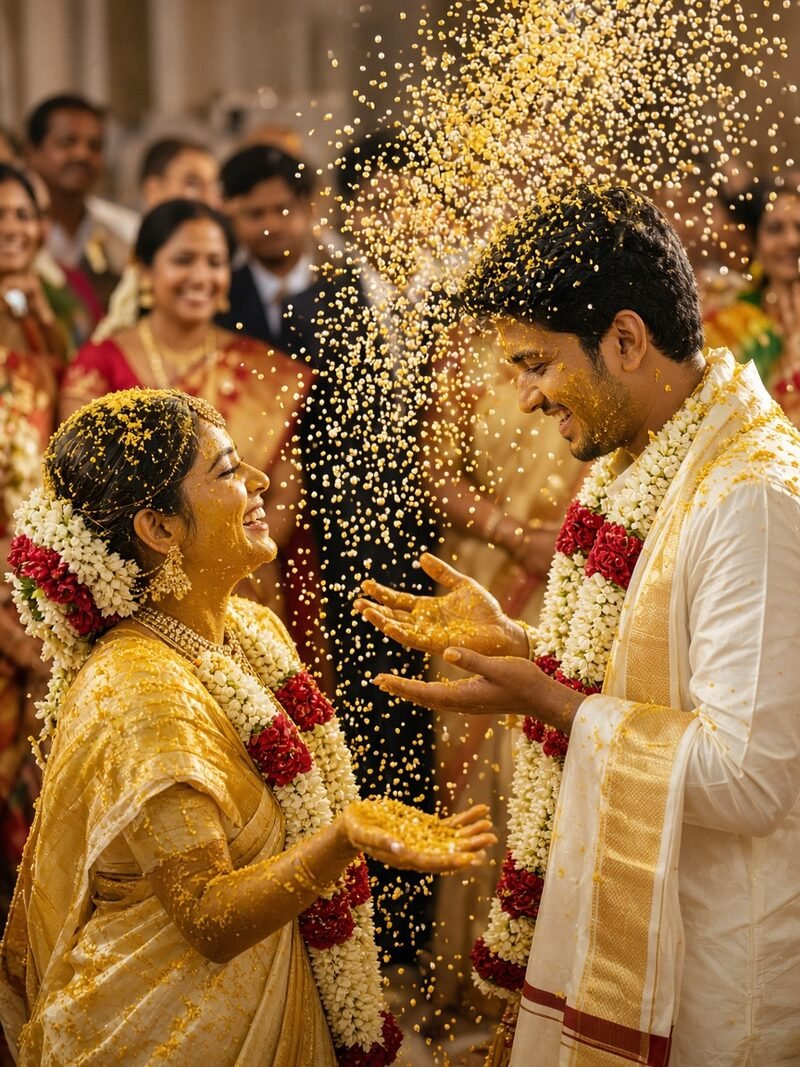
What happens: The couple take turns showering each other with rice mixed with turmeric — often with pearls — by the handful. It quickly turns into a friendly competition, with each side cheering their own.
What to photograph: The grains frozen in mid-air, the laughter, the cousins egging them on. Fast shutter speeds and a photographer on each side of the mandap make this sequence sing.
Brahmamudi, Saptapadi and Arundhati darshanam
What happens: The ends of the couple’s garments are tied together (Brahmamudi), they take seven steps together (Saptapadi), and — traditionally in the evening — the groom shows the bride the Arundhati star, a symbol of devotion and fidelity.
What to photograph: The knot, the steps with the couple’s feet and faces, and a quiet frame of the two of them looking up together.
Appagintalu and the reception
Appagintalu (అప్పగింతలు)
What happens: The bride’s family formally entrusts her to the groom’s family. It is usually the most emotional moment for the bride’s side.
What to photograph: Gently. Tears, embraces, and the mother’s last instructions. A good photographer works discreetly here — this isn’t a moment for flash or for asking anyone to look at the camera.
The reception
Whether it’s the same evening or another day, the reception brings the stage photographs with every guest, plus the fun of the celebration. Plan fifteen minutes of couple portraits before guests arrive, when the décor is fresh. Our reception photography page explains how to keep the stage queue moving.
A planning table for your photographer
Fill this in with your own family’s timings and share it with your photographer, videographer and priest:
| Ritual | Where | Time | Must-have photographs |
|---|---|---|---|
| Pellikuturu | Bride’s home | __:__ | Turmeric, elders’ blessings, mangala snanam (with family’s comfort in mind) |
| Pellikoduku | Groom’s home | __:__ | Turmeric, cousins, father and son |
| Snathakam & Kashi Yatra | Venue | __:__ | Groom and priest; the brother’s persuasion |
| Gauri Puja | Venue | __:__ | Bride’s prayer; quiet portraits |
| Kanyadaanam | Mandap | __:__ | Parents’ faces |
| Jeelakarra Bellam | Mandap | Muhurtham | Both faces as the screen lowers |
| Mangalya Dharanam | Mandap | __:__ | Knots, mangalsutra, both faces |
| Talambralu | Mandap | __:__ | Mid-air rice, laughter, both sides |
| Family groups | Stage | __:__ | From your written list |
| Appagintalu | Venue / home | __:__ | Discreet, emotional coverage |
| Reception | Hall | __:__ | Couple portraits first, then stage groups |
Practical tips from the mandap
- Introduce your photographer to the priest before the muhurtham. A short conversation about where they may stand prevents awkwardness at the key moments.
- Keep the view to the couple clear. Ask close family to sit or stand to the sides during Jeelakarra Bellam and Mangalya Dharanam, so guests — and cameras — can see.
- Plan for early or late muhurthams. They are common; they just need earlier arrivals and careful lighting. See our notes on wedding-day coverage.
- Book photographers for both sides if the bride’s and groom’s rituals overlap in different places.
- Consider a film. Mantras, nadaswaram and laughter carry as much emotion as any photograph. A wedding film keeps them.
- Think about candid and traditional together. Many of these rituals benefit from both — here’s how the two approaches differ.
Above all, choose a photographer who asks about your family’s rituals rather than assuming them. Every wedding is a little different — and the differences are exactly what you’ll want to remember.